RV Solar Inverters 101: Pure Sine vs. Modified Sine & How to Pick the Right One
If you’ve started researching solar for your RV, you’ve probably noticed something quickly: solar panels get all the attention, but they’re only one piece of the puzzle.
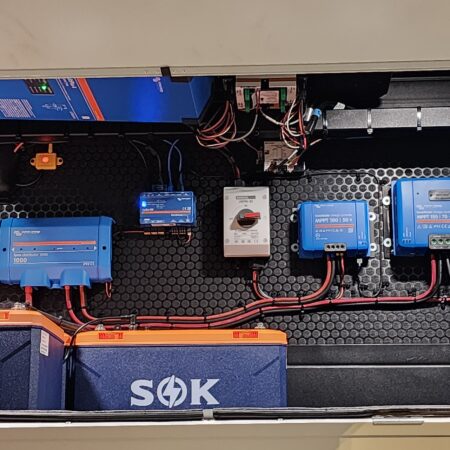
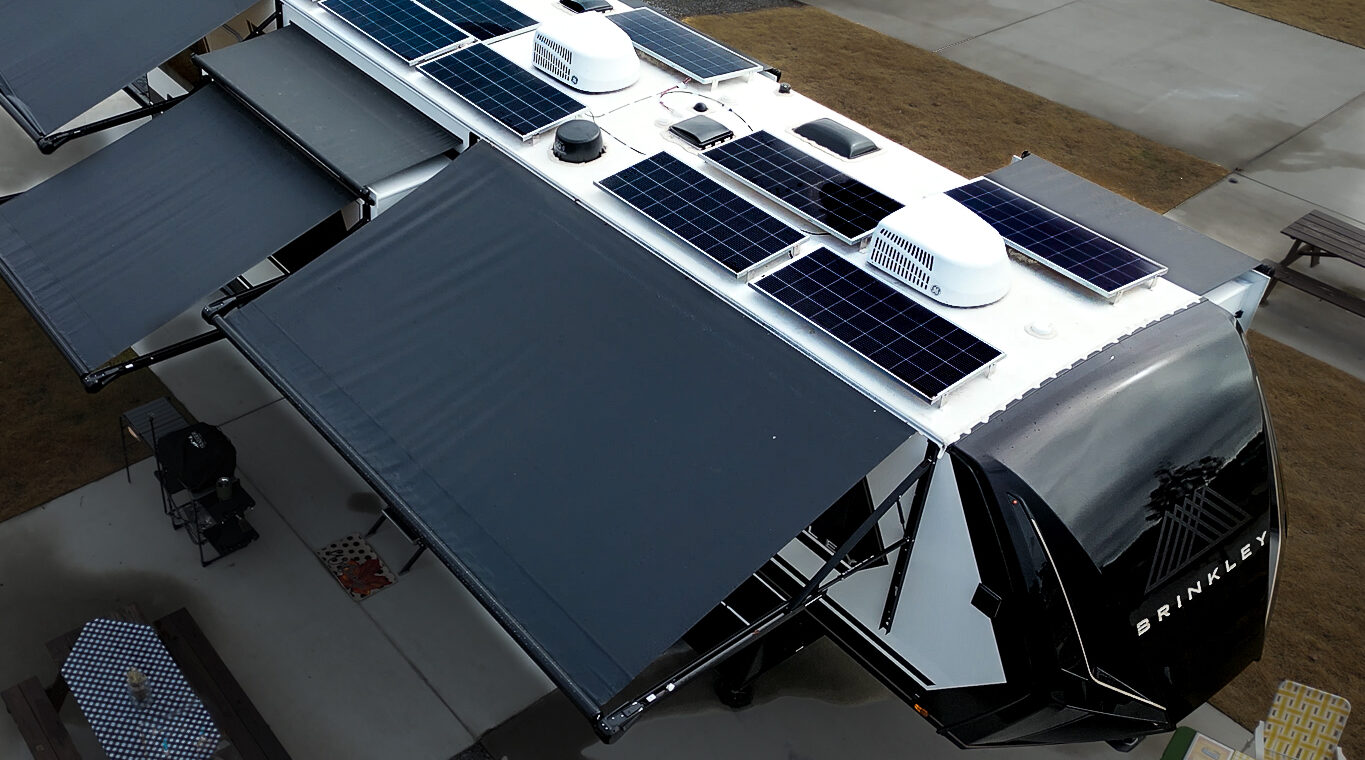
A complete solar setup involves several RV solar system components working together. Panels generate power, batteries store it, charge controllers regulate it, and then there’s the device that actually lets you use that stored energy to run everyday appliances — the inverter.
Understanding how inverters work, and more importantly which type of inverter your RV solar system actually needs, is one of the most important decisions in designing a reliable solar setup.
Let’s break it down in simple terms.
What an RV Solar Inverter Actually Does
Solar panels and batteries produce DC power (direct current). Unfortunately, most appliances inside an RV are designed to run on AC power (alternating current) — the same type of electricity that comes from campground hookups or household outlets.
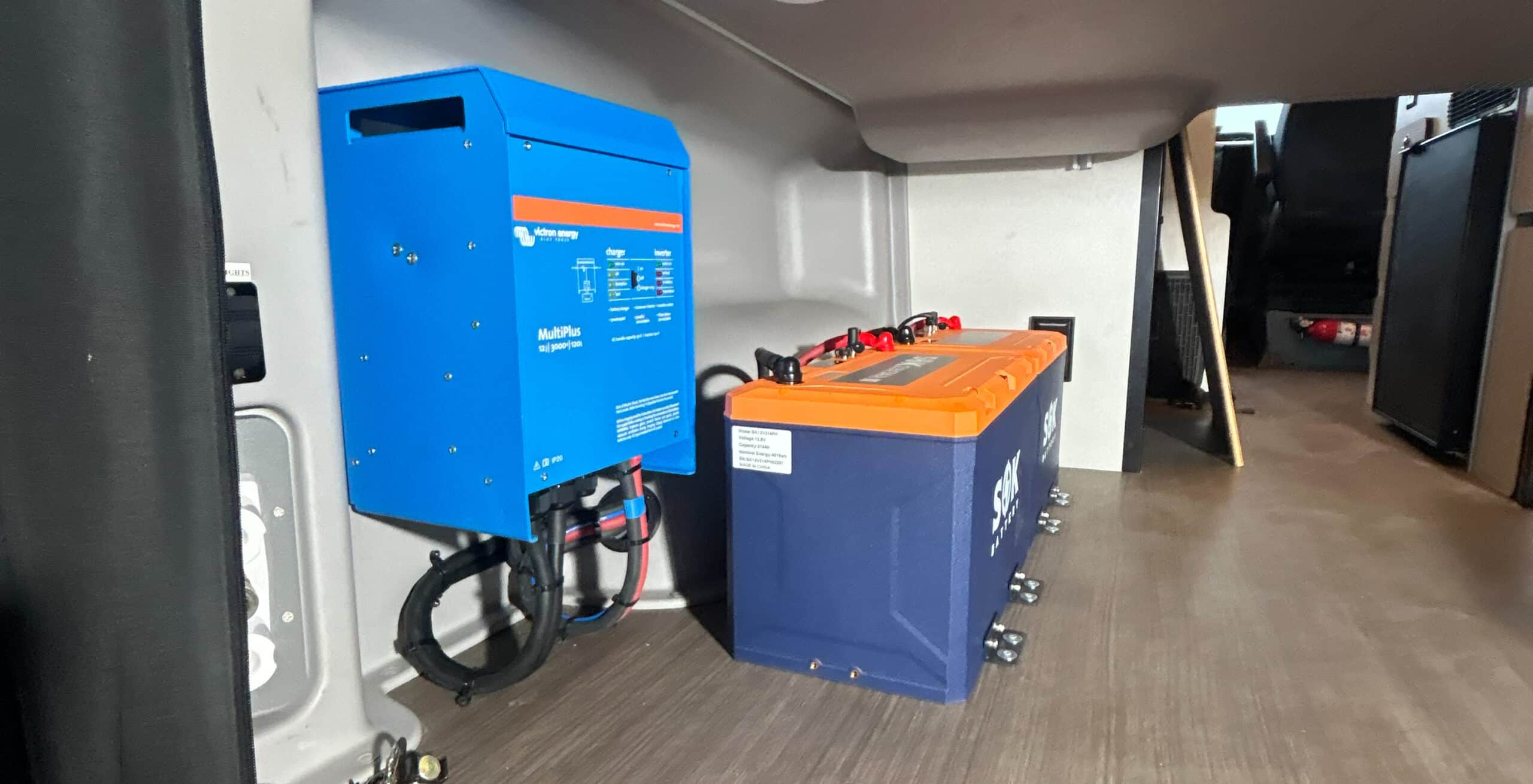
The inverter is one of the most essential RV solar system components because it converts that stored DC battery power into usable AC electricity.
Without an inverter, your solar system could charge batteries all day long, but you wouldn’t be able to run things like:
• Coffee makers
• Microwaves
• TVs
• Laptops
• Residential refrigerators
• CPAP machines
The inverter essentially acts as the bridge between your battery bank and the appliances you use every day.
But not all inverters produce the same type of electricity.
The Difference Between Pure Sine and Modified Sine Wave Inverters
The biggest difference between inverter types comes down to the shape of the electrical waveform they produce.
Shore power and generators produce what’s known as a pure sine wave — a smooth, consistent electrical signal. Many electronics are designed specifically for this type of power.
Modified sine wave inverters, on the other hand, produce a stepped or blocky waveform that approximates AC power but isn’t as smooth.
For some simple devices, that difference doesn’t matter much. For others, it can make a huge difference.
Modified Sine Wave Inverters
Modified sine wave inverters were once popular because they were cheaper and simpler to manufacture. They can power basic resistive loads like:
• simple lights
• heating elements
• basic power tools
However, they tend to create issues with many modern electronics.
Devices may run hotter, produce buzzing noises, or operate inefficiently. Sensitive electronics like laptops, CPAP machines, and residential refrigerators can sometimes malfunction or even suffer long-term damage.
Because RV electrical systems now commonly include sensitive electronics and inverter-driven appliances, modified sine wave inverters are becoming far less common in modern solar installations.
Pure Sine Wave Inverters
Pure sine wave inverters produce electricity that closely mimics utility power. The waveform is smooth, consistent, and safe for sensitive electronics.
That’s why most modern RV solar installations use pure sine wave inverters.
They safely power:
• laptops and computers
• induction cooktops
• residential refrigerators
• CPAP machines
• smart TVs
• battery chargers for phones and tools
While pure sine wave inverters cost more upfront, they’re widely considered the best long-term option for RV solar systems because they eliminate compatibility issues.
For many RV owners, choosing pure sine simply avoids headaches later.
How Inverters Fit Into Your RV Solar System
When people begin designing solar setups, they often think in terms of panel wattage.
But solar panels are just one of several RV solar system components that must be balanced correctly.
Your inverter size needs to match:
• battery capacity
• expected appliance loads
• wiring size
• solar charging capability
For example, running a microwave or induction cooktop may require a 2000-3000 watt inverter, while a smaller system that only powers laptops and lights may only need a 1000 watt inverter.
Choosing the right inverter isn’t just about power — it’s about designing a solar system where every component works together safely and efficiently.
Inverter/Chargers vs Standard Inverters
Many modern RV solar systems now use inverter/chargers rather than simple inverters.
These units perform two functions.
They convert battery power into AC electricity when you’re off-grid, but they also act as a battery charger when the RV is connected to shore power or a generator.
This makes them one of the most versatile RV solar system components in a modern electrical system.
A good inverter/charger helps manage battery charging automatically and keeps everything working seamlessly whether you’re plugged in or running on solar.
Choosing the Right Inverter for Your RV
Selecting the right inverter ultimately comes down to how you plan to use your RV.
If your solar system only needs to power a few small electronics, a modest inverter may work fine. But if you plan to run larger appliances or spend extended time boondocking, a larger pure sine wave inverter becomes essential.
Because the inverter interacts with so many other RV solar system components, it’s one of the areas where professional system design can make a big difference.
Oversizing or undersizing an inverter can lead to inefficient systems, battery strain, or electrical issues.
A properly designed solar system balances the inverter, batteries, solar panels, and charging systems so everything operates safely and efficiently.
The Go RV Solar Standard
We don’t just install parts; we engineer solutions. Every Go RV Solar project is documented, tested, and commissioned to ensure that when you leave our shop, you have total confidence in your power grid. Our goal is to eliminate “range anxiety” for RVers, allowing you to focus on the destination rather than the battery monitor.
Schedule your RV solar consultation so we can get your RV Turned On from the start!
Contact Go RV Solar
(863) 675-2424
Winter Haven, Florida
GoRVSolar.com

Co-Owner / Solar Advisor
Jason is the resident expert for anything that carries a current. Drawing on an extensive background in low-voltage tech and a deep history of RV inspections, he has a knack for making complicated systems work seamlessly. He’s the practical force behind the team, dedicated to high-quality builds and reliable energy solutions.