Why Some Solar Systems Require DC-DC Chargers (And When You Need One)
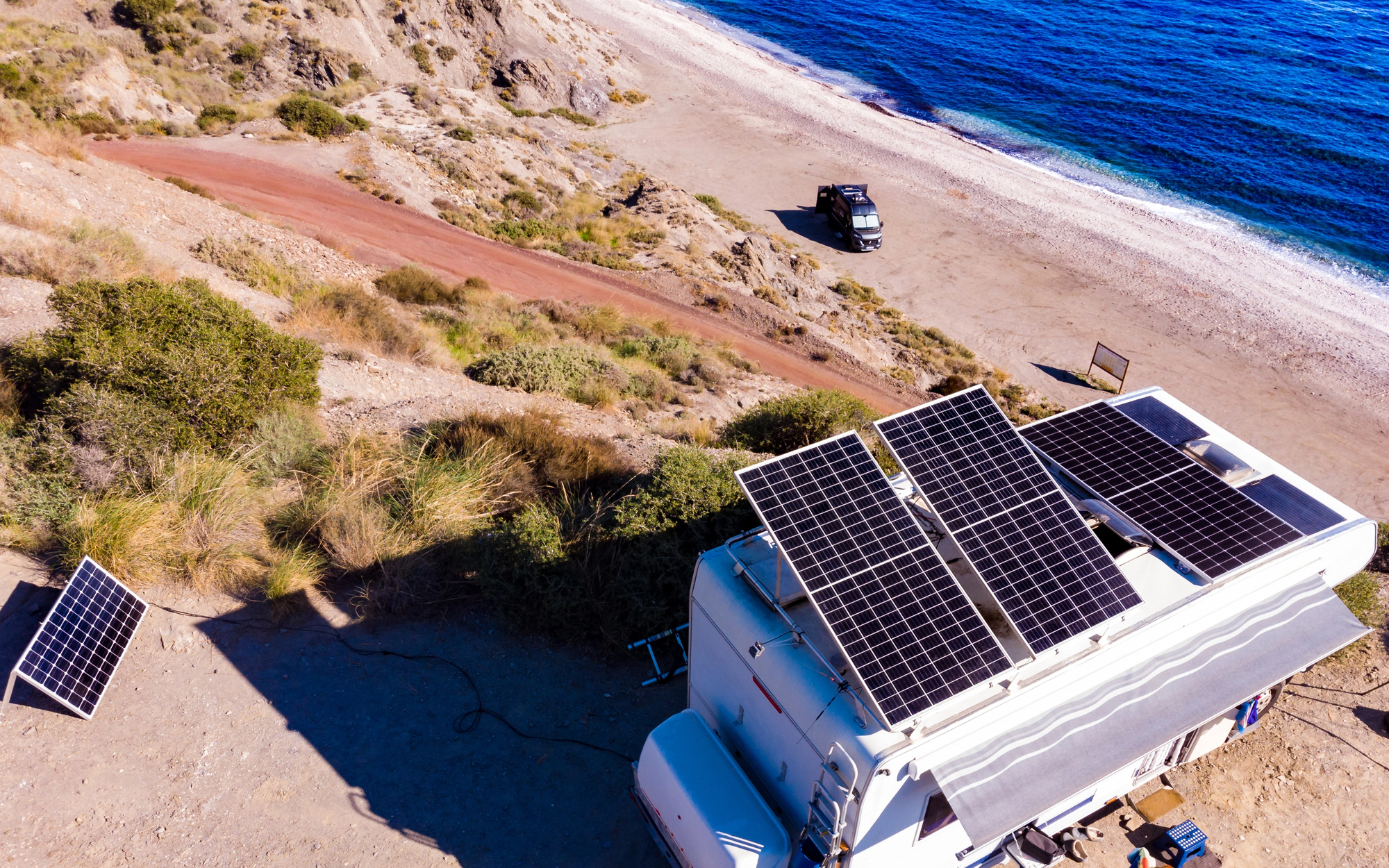
When people first start learning about solar for RVs, they often assume the solar panels do all the work.
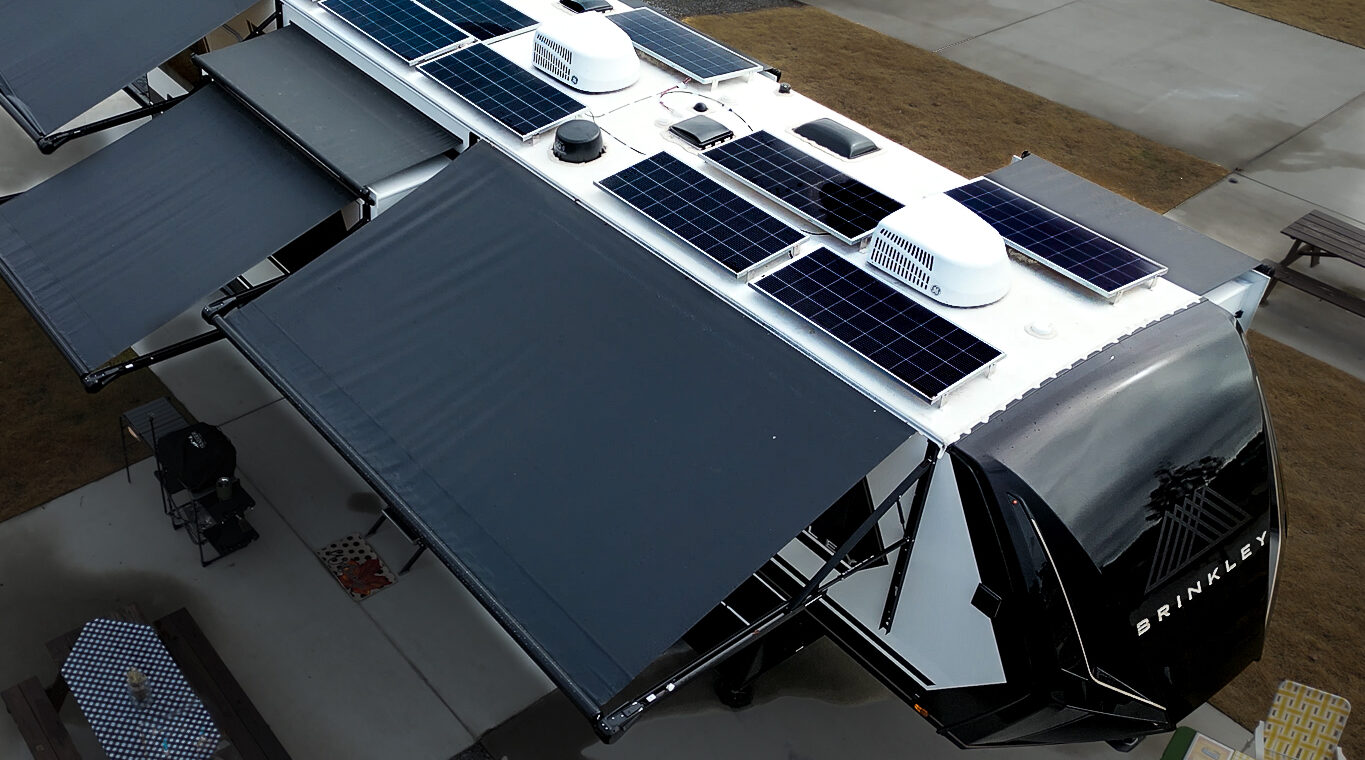
Panels certainly play an important role, but they’re only one piece of a larger electrical ecosystem made up of several RV solar system components that must work together properly.
One component that often surprises new RV owners is the DC-DC charger.
Not every RV solar setup requires one, but in many modern towable RVs it’s an essential part of the electrical system — especially when lithium batteries enter the picture.
Let’s take a closer look at why DC-DC chargers exist and when they become necessary.
What a DC-DC Charger Actually Does
A DC-DC charger allows your towable RV batteries to charge from the tow vehicle’s alternator while driving, but it does so in a controlled and regulated way.
Older RV charging systems often relied on a simple connection between the vehicle alternator and the house batteries. While that worked reasonably well with older lead-acid batteries, it can create serious problems with modern battery setups.
A DC-DC charger acts as a smart intermediary between the alternator and the battery bank.
Instead of simply passing current through, it carefully manages voltage and current to ensure the batteries receive the correct charging profile.
In other words, it protects both your alternator and your batteries.
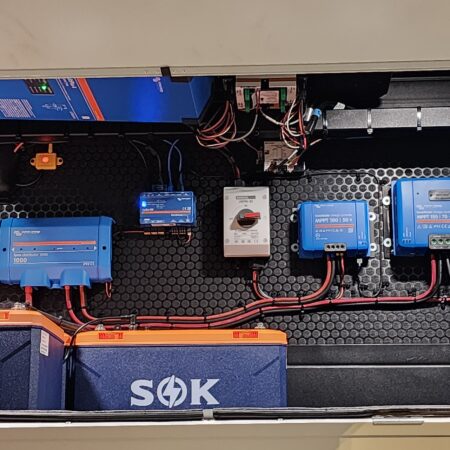
Because of this role, many modern installations consider the DC-DC charger one of the key RV solar system components in a well-designed electrical system.
Why Alternator Charging Can Be Risky
Alternators were designed primarily to recharge a vehicle’s starting battery, not large auxiliary battery banks.
When RV owners install large lithium battery banks without adding a DC-DC charger, the alternator may suddenly be asked to deliver far more current than it was designed for.
This can lead to several issues.
The alternator may overheat, its lifespan can be shortened, and in some cases the system may fail to charge the batteries properly at all.
Lithium batteries, in particular, tend to accept current extremely quickly. Without regulation, they can pull large amounts of power from the alternator for extended periods.
A DC-DC charger prevents that situation by limiting and controlling the charging current.
Why Lithium Batteries Often Require DC-DC Chargers
Lithium batteries have become extremely popular because they offer higher capacity, longer lifespan, and lighter weight compared to traditional lead-acid batteries.
But they also require more precise charging management.
Unlike lead-acid batteries, lithium batteries maintain a relatively stable voltage throughout their charge cycle. This can confuse older charging systems and prevent proper charging from the alternator.
A DC-DC charger solves this problem by delivering the correct charging voltage profile specifically designed for lithium batteries.
That’s one of the reasons lithium upgrades often include adding a DC-DC charger as one of the critical RV solar system components in the system.
How DC-DC Chargers Work Alongside Solar
Solar panels charge batteries through a solar charge controller, which regulates voltage coming from the panels.
But when the RV engine is running, the alternator becomes another potential charging source.
The DC-DC charger manages this second charging path.
Instead of allowing the alternator to connect directly to the battery bank, it converts and regulates the incoming power so the batteries receive a stable and safe charging profile.
The result is a much healthier electrical system overall.
Your batteries charge safely while driving, your alternator avoids overload, and the rest of your RV solar system components continue operating smoothly.
Situations Where You Probably Need a DC-DC Charger
Not every RV requires one.
Smaller systems using traditional lead-acid batteries may function adequately with older charging setups.
But DC-DC chargers become increasingly important when certain factors are present.
Large lithium battery banks are one of the biggest reasons they’re installed. They are also commonly used in newer vehicles where smart alternators reduce voltage output to improve fuel efficiency.
In those vehicles, traditional charging circuits may no longer deliver enough voltage to properly charge house batteries.
A DC-DC charger compensates for this and ensures consistent charging performance.
A Key Piece of a Well-Designed Solar System
When RV solar systems are designed properly, every component serves a specific role.
Panels generate energy.
Batteries store it.
Charge controllers regulate solar input.
Inverters convert power for appliances.
And DC-DC chargers manage safe charging from the tow vehicle alternator.
Each of these RV solar system components contributes to building a reliable off-grid power system that works both while parked and while traveling.
Skipping one piece can sometimes lead to problems later.
The Go RV Solar Standard
We don’t just install parts; we engineer solutions. Every Go RV Solar project is documented, tested, and commissioned to ensure that when you leave our shop, you have total confidence in your power grid. Our goal is to eliminate “range anxiety” for RVers, allowing you to focus on the destination rather than the battery monitor.
Schedule your RV solar consultation so we can get your RV Turned On from the start!
Contact Go RV Solar
(863) 675-2424
Winter Haven, Florida
GoRVSolar.com

Co-Owner / Solar Advisor
Jason is the resident expert for anything that carries a current. Drawing on an extensive background in low-voltage tech and a deep history of RV inspections, he has a knack for making complicated systems work seamlessly. He’s the practical force behind the team, dedicated to high-quality builds and reliable energy solutions.